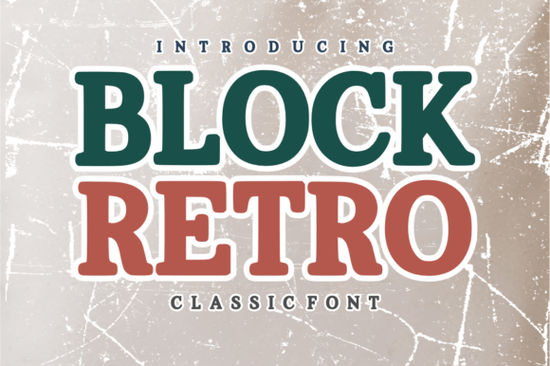
If you are looking for a typeface that bridges vintage advertising aesthetics with modern readability, the Block Retro Font is a reliable choice for designers and makers. It delivers the bold, confident feel of mid-century posters while keeping every character clear on screen and paper. Whether you run a print-on-demand store, design local cafe materials, or simply enjoy digital scrapbooking, this display face gives your layouts a grounded, nostalgic weight without feeling dated.
Why choose a mid-century display type for modern branding?
The core strength of this typeface lies in its thick, rounded slabs and the subtle outline effect that frames each letter. That combination creates visual separation from busy backgrounds, which is especially helpful for merchandise or social graphics. The geometry is carefully balanced, so it holds its shape even when scaled down for hang tags or enlarged for storefront windows. Many designers start their research on the official product page before exploring complementary styles, but this particular set adds a softer edge that works well for lifestyle brands. The clean silhouette also means less visual noise, making your message the clear focal point.
Where does this font work best for makers and small shops?
Print-on-demand sellers and independent creators can lean on this typeface for varsity-style shirts, vintage cafe menus, and bold website headers. The rounded corners prevent the design from feeling too rigid, which is perfect for projects that want to feel welcoming rather than corporate. If you need a standout logo mark, try centering a short business name inside a simple badge shape. The natural spacing between characters keeps everything legible without needing heavy tracking adjustments. You can also experiment with playful rounded lettering styles when designing children’s products or casual event flyers, then return to this heavier weight for your primary store banners to maintain visual hierarchy.
How should I pair it with other styles for a balanced layout?
Mixing display faces with secondary typography requires restraint. Use the main headline font sparingly for titles or buttons, then pair it with a thin script or a clean sans-serif for supporting details. A delicate handwriting font creates a pleasant high-low contrast that guides the eye downward. For longer paragraphs, a traditional serif often complements the heavy slabs without competing for attention. If you want to study how spacing affects readability, you can browse through hand-drawn brush typefaces to see how loose forms interact with structured headlines. Always leave enough white space around heavy characters so the outline detail remains visible, especially on printed materials where ink spread can soften edges.
What pairing rules actually prevent clutter?
Keep your font count to two, maybe three if you include numbers. Let the display type handle the emotional tone, and allow body text to stay neutral. Avoid stacking multiple bold outlines in one composition, as they will fight for dominance. Test your combinations on actual mockups before finalizing files for production.
What practical steps ensure clean prints and sharp digital output?
Scaling and file format choices directly impact how heavy typefaces render. For screen use, export at standard resolution, but switch to high resolution and vector-based formats like PDF or SVG for physical printing. When cutting vinyl or working with heat transfers, simplify your path nodes and avoid ultra-fine details that might break during the press process. The solid inner structure of this face makes it forgiving, but always run a small test print on your actual substrate first. You can compare how different weights handle edge bleed by reviewing other bold outline collections and checking their stroke settings in your design software. If you prefer exploring classic geometric alternatives, you will notice how slab forms change the overall rhythm of a poster.
For a reliable source to view and license this typeface along with similar retro collections, you can explore the Block Retro Font catalog on Creative Fabrica. Before uploading designs to your storefront, follow these final checks:
- Set up your canvas correctly: Use RGB for digital displays and CMYK for commercial printing.
- Check character spacing: Adjust tracking only if needed; the default metrics are already optimized.
- Preserve the outline effect: Keep editable text layers until the final export stage.
- Verify licensing terms: Confirm whether your purchase covers merchandise sales or digital templates.
- Export a proof at actual size: Review it on a secondary screen to confirm contrast remains strong.
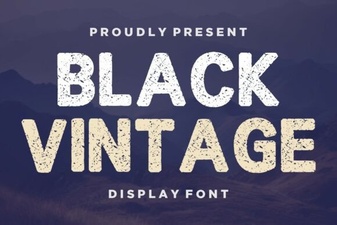 Retro Black Fonts for Classic Design Projects
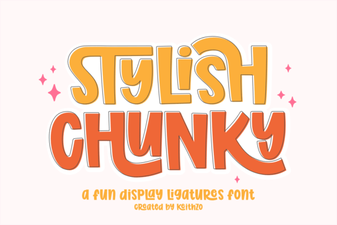 Bold & Stylish Chunky Fonts for Creative Projects
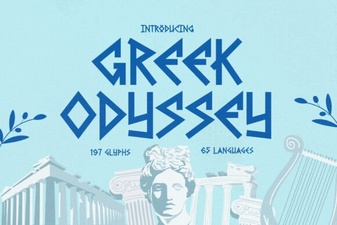 Greek Odyssey Font for Digital Design Projects
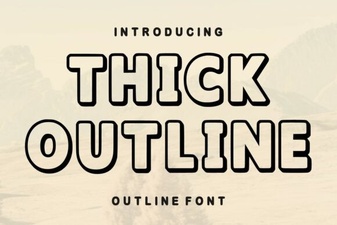 Thick Outline Fonts for Bold & Creative Designs
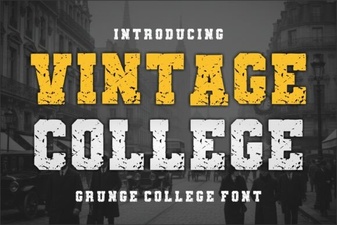 Designing with Vintage College Fonts
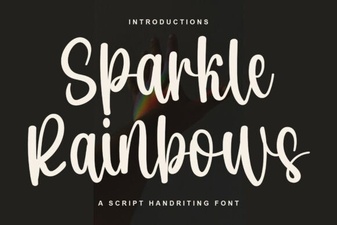 Sparkle Rainbows Font: Elegant Design for Creative Projects