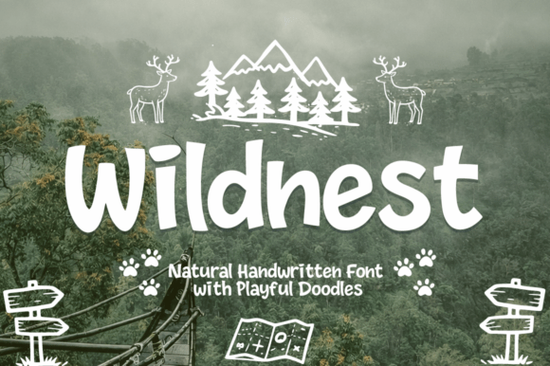
If you are designing packaging, posters, or digital content for outdoor brands, you need a typeface that feels grounded rather than polished. The Wildnest Font brings that exact balance to your workspace. It mimics the natural flow of pen strokes on paper, with slightly uneven edges and organic curves that read like quick notes from a trail journal. Instead of relying on rigid geometric shapes, this display typeface leans into imperfection to build immediate trust with nature-focused audiences. Designers and crafters often reach for this style when they want their layouts to feel handmade without sacrificing readability.
How does a handwritten typeface work for outdoor branding?
Outdoor brands succeed when their visuals match the actual experience of stepping outside. The relaxed letter spacing and natural weight variations create a rustic feel that digital perfection often misses. When customers see this kind of typography on a camping gear label or a national park brochure, they instantly recognize the intention behind it. The irregular baselines suggest a human touch, which helps small businesses and sustainable brands communicate authenticity. Print-on-demand sellers can apply it to tote bags, enamel mugs, and apparel tags where a corporate look would feel out of place. If you need heavier stroke contrast for a different product line, exploring a bold, textured display style might also fit your mood board.
What projects pair best with organic doodle fonts?
Beyond standard text layouts, this kit includes a set of illustrated markers that save time during the mockup phase. You do not need to hunt through separate illustration libraries when mountains, pine trees, paw prints, and compass needles are already built into the character map. Here are the most reliable use cases for this asset:
- Camping and hiking merchandise: Place the lettering directly over kraft paper textures for immediate shelf impact.
- Children’s educational books: Combine the main alphabet with the nature symbols to build interactive reading layouts.
- Sustainable brand social posts: Overlay short quotes on muted olive, terracotta, or faded denim backgrounds.
- Event signage and workshop flyers: The readable uppercase set works well for headers while keeping the playful icons as decorative accents.
Many crafters use these elements to create cut-file designs for vinyl stickers or wood-burned signs. Because the strokes are open and well-proportioned, they scale cleanly for both small product tags and large banner prints.
How should I pair this typeface with other design elements?
Typography rarely works alone. Support the primary display letters with a simple, highly legible body font. Sans-serif choices prevent the rustic headline from overwhelming longer paragraphs. Color palettes matter just as much as font selection. Stick to muted earth tones like forest green, warm sand, and charcoal gray. If your background includes a recycled paper texture, the rough edges of the letters will naturally blend into the surface instead of floating above it. For projects that need a slightly retro academic feel, compare this layout style with a classic varsity-inspired typeface to see which matches your brand voice better.
Spacing and alignment finish the layout. Give the letters room to breathe. Handwritten display styles lose their charm when squeezed into tight margins. Try setting your main headline at eighty percent of the frame width and let the negative space do the heavy lifting. When working with the included doodles, scale them down to act as supporting elements rather than competing focal points. This approach keeps the design approachable while maintaining a professional standard suitable for commercial licensing.
Where to find complementary display styles?
If you are building a full brand kit, mixing a few different display fonts can help separate primary headlines from secondary calls to action. The Mediterranean-inspired serif option works well when you want a touch of elegance for heritage product lines. For casual lifestyle content that leans into pop culture, a soft, rounded display set might carry the lighter mood better. You can review the full breakdown on the dedicated product page to check licensing details, file formats, and the full character map before starting your final export.
When testing different combinations, export a small batch of mockups and check them on actual devices. What looks sharp on a large monitor often needs slight kerning adjustments for mobile screens. A quick review of your layout at three hundred twenty pixels wide will save you from readability issues before publishing.
Next steps before you start designing:
- Open the character map and test the uppercase letters at your target print size.
- Choose a muted earth-toned palette and place the letters over a light paper texture.
- Select a neutral body font that matches the x-height of the display style.
- Scale the nature doodles to thirty to forty percent of the headline size for visual balance.
- Export a phone-sized preview to verify spacing and contrast on smaller screens.
- Save your working files in layered formats before flattening for production.
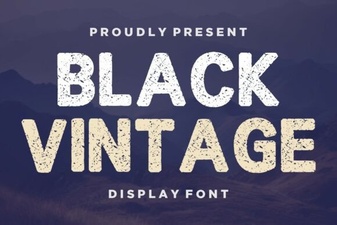 Retro Black Fonts for Classic Design Projects
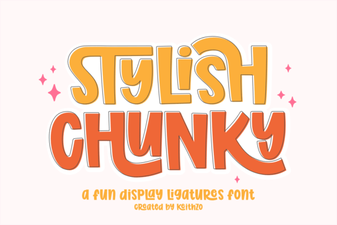 Bold & Stylish Chunky Fonts for Creative Projects
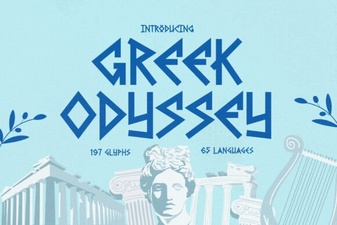 Greek Odyssey Font for Digital Design Projects
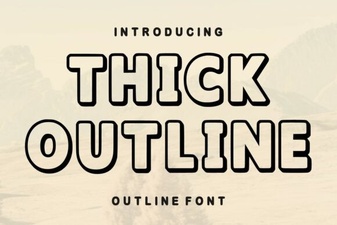 Thick Outline Fonts for Bold & Creative Designs
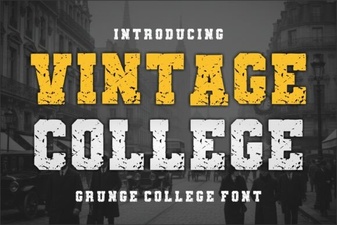 Designing with Vintage College Fonts
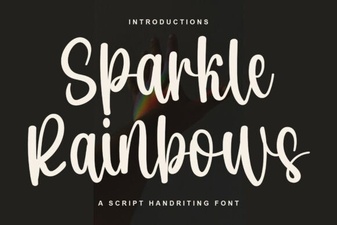 Sparkle Rainbows Font: Elegant Design for Creative Projects