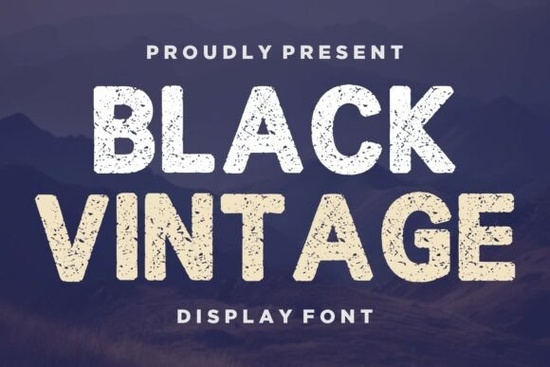
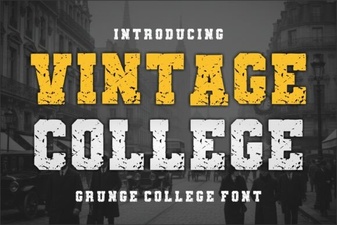
If you are looking for a typeface that immediately conveys age, grit, and character, the Black Vintage Font delivers exactly that. This bold, distressed display font brings a heavily textured look that works well across posters, apparel mockups, and handmade branding. Designers often choose it when they want layouts to feel weathered without spending hours manually adding grain or scratch effects. Because the letters already carry significant visual weight, you can drop them straight into your canvas and focus on layout balance right away.
What kind of projects benefit most from a worn, letterpress style?
The rugged charm of this typeface fits naturally into themes that celebrate history, rebellion, or retro craftsmanship. Horror filmmakers and indie publishers use it for book covers and title cards because the uneven edges create instant tension. Small business owners selling vintage apparel or handmade coffee mugs find that the distressed letters pair perfectly with screen-printed finishes. If you run a print-on-demand shop, placing these bold letterforms over neutral backgrounds helps them stand out without complex gradients.
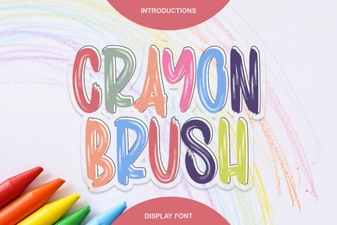
You can also experiment with seasonal or event-based layouts. For example, pairing a weathered headline with a softer, playful display like the crayon brush style creates an interesting contrast between rough and handmade aesthetics. This approach works especially well for zine covers, band posters, and local market flyers where a handcrafted feel matters more than corporate polish.
How should you balance heavy textures with supporting typography?
Because the letters carry significant internal texture loss, they act as a graphic element on their own. You do not need to add extra ornaments or decorative borders to make them pop. Instead, pair the main headline with a clean, modern serif or a simple geometric sans serif. The smooth lines of the secondary text will give the viewer’s eyes a resting place and keep your layout from feeling cluttered.
For high-contrast layouts, stick to pure black and white. Punk-inspired designs and minimalist streetwear brands often rely on this approach to make the text the clear focal point. If you prefer a darker, academic mood, combine the distressed letters with a narrow serif body copy. Exploring options like Greek Odyssey typography can help you understand how classical proportions change when applied to modern templates.
Quick pairing tips for beginners:
- Keep secondary fonts simple and highly readable at smaller sizes.
- Leave generous margins around the distressed letters to let the texture breathe.
- Use high-contrast color palettes so internal details remain visible.
- Avoid placing heavy drop shadows underneath, as they will clash with the natural grit of the letters.
What technical settings help maintain print quality?
When working with highly detailed display fonts, resolution and export settings matter more than usual. Always design at 300 DPI for physical products and keep your text layers in vector format until the final export. Many creators find that exporting directly as a PDF preserves the fine scratches and ink bleed effects better than flattening everything to a JPEG. For digital use, convert the text to outlines before handing files to developers or uploading them to e-commerce platforms. This prevents unexpected font substitution and keeps the texture intact across different operating systems.
If you frequently swap between project styles, keep a folder of reliable fallback typefaces. A rounded, friendly alternative like holiday-themed displays or a structured geometric face like Baby Shines gives you quick pivots when a client needs something lighter. You can also compare these choices alongside educational layouts using school-themed lettering for reference.
When does a heavily distressed typeface become too much?
While this style excels at grabbing attention, it is not meant for body copy or small UI labels. The intentional grain and missing stroke details will become unreadable at sizes below 14 points. Save it for headlines, logos, packaging fronts, or large banner text. If your project requires accessibility compliance, always keep the distressed text paired with a plain text alternative. Typography guidelines consistently stress that decorative mood should support readability, not replace it. You can read more about these standards by reviewing industry documentation for Black Vintage Font usage in modern branding.
Before you export your next design, run through this quick quality check:
- View the layout at actual print size or on a mobile screen to confirm legibility.
- Check that the distressed edges do not bleed into background images.
- Verify that your secondary typeface maintains clear hierarchy and spacing.
- Test the file in CMYK mode if printing on fabric or coated paper.
- Save an editable master file with live text layers for future revisions.
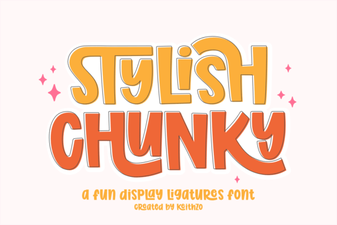 Bold & Stylish Chunky Fonts for Creative Projects
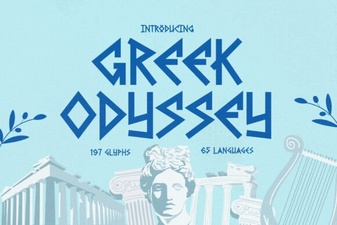 Greek Odyssey Font for Digital Design Projects
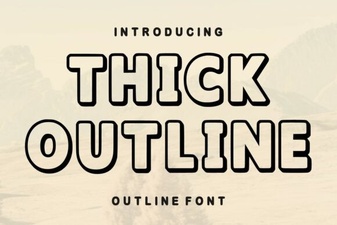 Thick Outline Fonts for Bold & Creative Designs
 Designing with Vintage College Fonts
 Sparkle Rainbows Font: Elegant Design for Creative Projects
 Creative Projects with Crayon Brush Fonts