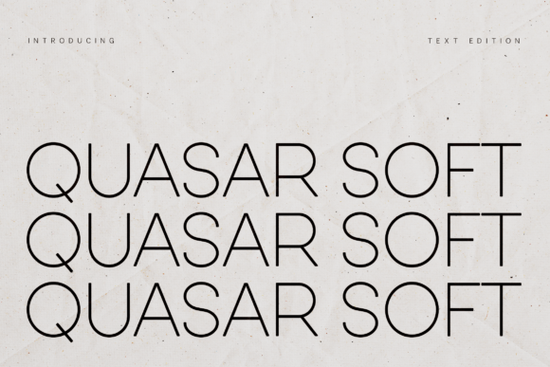
When you need a clean, breathable typeface for modern projects, the Quasar Soft Font delivers a delicate balance of precision and warmth. This ultra-light rounded sans serif was built specifically for minimalist layouts, high-end branding, and editorial systems that rely on clear visual hierarchy. If you work in print-on-demand, wellness marketing, or sustainable packaging, you already know that heavy typography can easily overwhelm delicate product lines. That is exactly why independent creators and small studios choose a refined, monoline structure for their everyday creative workflows.
How does an ultra-light sans serif perform across print and digital screens?
Screen rendering has improved significantly, but light weights still require careful spacing to stay readable at smaller sizes. This typeface uses generous letter spacing and softened terminals, which prevents the strokes from bleeding together on retina displays or glossy paper finishes. When you test it on mobile headers or product tags, the airy tracking keeps each character distinct. For physical goods like apparel tags or minimalist labels, the open counters reduce visual clutter. Many creators pair this style with bolder accent text to maintain legibility without sacrificing that sleek, modern feel. If you are comparing geometric families for your brand library, reviewing other clean options like a versatile geometric alternative can help you evaluate spacing habits and structural proportions before downloading.
What makes rounded geometric type a better choice for lifestyle campaigns?
Rounded corners naturally signal approachability. When a brand sells organic skincare, sustainable textiles, or modern tech accessories, a sharp, heavy typeface often feels too rigid. The softened terminals in this design add a quiet confidence that aligns perfectly with lifestyle photography and neutral color palettes. Fashion lookbooks and wellness websites frequently use negative space to let products breathe, and a lightweight sans serif fits that exact rhythm. You will notice it performs exceptionally well in large hero layouts, where minimal strokes create an editorial poster effect. Designers who want a calm aesthetic frequently explore a friendly rounded collection to see how similar weight families handle headline scaling.
Which creative projects actually benefit from delicate monoline weights?
Not every layout needs a thick, assertive headline. The right moment to use delicate strokes is when your imagery or product already carries strong visual weight. Consider high-end packaging where embossed logos sit against matte textures, or social media graphics where clean typography overlays lifestyle shots. Website navigation menus and presentation title slides also thrive on minimal fonts because they guide the viewer without competing with data visualizations. Crafters and boutique shop owners regularly use this weight for thank-you cards, invoice headers, and storefront window signage. When you need something that feels contemporary but never clinical, checking another structured sans option alongside your current files gives you a reliable baseline for geometric consistency.
How do you pair a light sans serif without losing typographic contrast?
Contrast is the foundation of readable design. If your primary text is ultra-light, your supporting typography must carry more visual mass. A heavy serif works beautifully for pull quotes, subtitles, or brand manifesto statements. The transition between thin and thick creates immediate depth while keeping the layout organized. You can also use a medium-weight sans serif from a separate family for body paragraphs, ensuring the eye flows naturally from headline to fine print. Many template creators keep a pairing guide pinned to their workspace, testing combinations at various scales before locking in the final hierarchy. If you are building a versatile typography toolkit, reviewing a balanced sans family will demonstrate how different weight distributions behave in multi-column layouts.
Where can you secure the correct files for commercial client work?
Professional deliverables require reliable file formats and clear licensing terms. The official project page typically provides OTF and TTF downloads, which integrate smoothly into Adobe Creative Suite, Affinity Designer, and major cutting machines. Always verify that your license covers your intended use, especially for merchandise, client logos, or digital templates. If you need technical documentation on glyph variations or language support, consulting the Quasar Soft Font reference sheet will clarify character sets and available features.
Quick pairing checklist for your next layout
- Test your headline size on both desktop and mobile before finalizing.
- Keep letter spacing slightly wider than default for ultra-light weights.
- Pair with a bold serif or medium sans for subtitles and body copy.
- Use dark gray instead of pure black to soften contrast on white backgrounds.
- Export vector files for print and high-res PNGs for digital previews.
Before committing to a full brand rollout, drop your shortlisted typefaces into a real layout using actual client copy. Print a draft on matte paper, check the mobile preview at eighty percent zoom, and adjust tracking by two points if the characters feel cramped. Once the rhythm feels balanced, apply the typography to one hero asset, one packaging mockup, and one social template to confirm consistency across your workflow. Save a master style sheet so your future projects inherit the exact spacing and weight rules you just tested.
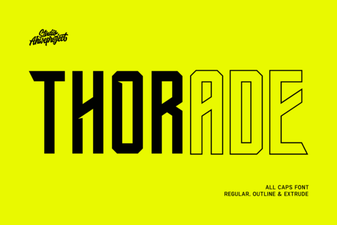 Thorade Font: Modern Design & Creative Projects
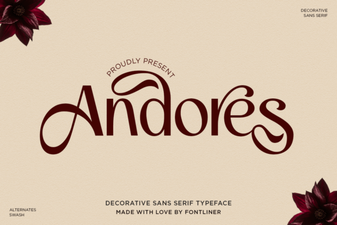 The Andores Font: Design Ideas & Creative Uses
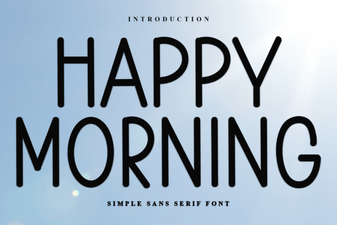 Bring Creativity to Your Projects with Happy Morning Font
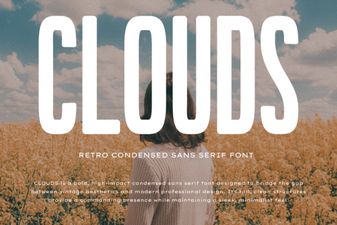 Clouds Font for Creative Design Projects
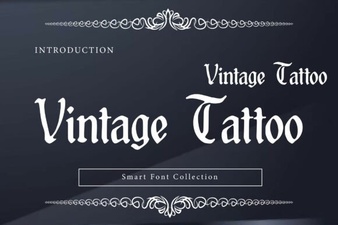 Creative Uses for Vintage Tattoo Fonts
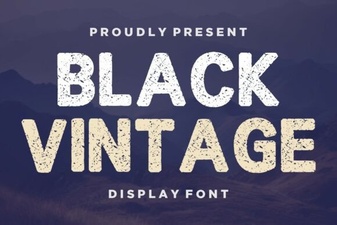 Retro Black Fonts for Classic Design Projects