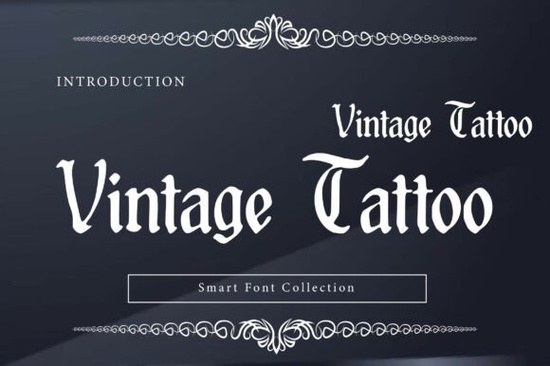
If you are looking for a display typeface that captures the raw energy of traditional tattoo flash, the Vintage Tattoo Font delivers that exact feel. It leans into the heavy, blocky blackletter styles popular in the early 1900s, giving your layouts a weathered, historical weight. Instead of clean, modern lines, this design uses sharp angles and a solid baseline to create a carved, almost stamped appearance. That built-in texture makes it highly readable at large sizes, even when printed on rough paper or embroidered onto heavy cotton.
What makes this typeface stand out for bold designs?
The design intentionally avoids delicate curves. Early flash artists needed lettering that could survive decades of handling on storefront windows and garage doors. Thick strokes and aggressive cuts mimic hand-cut stencils and vintage ink stamps. When you place this typeface on a poster or product packaging, the letters demand attention without relying on extra drop shadows or gradients. The gritty structure means your layout stays clean while still projecting a strong, rebellious identity.
Designers working on band merch or streetwear often pair heavy lettering with minimalist graphics. If you need more spacing options for similar layouts, browsing alternative blackletter styles can help you find the exact contrast your brand requires. Testing multiple weights side by side usually reveals which kerning settings work best for your specific print size.
Where should you use a heavy blackletter style?
This style thrives in projects that need to project strength and tradition. Motorcycle clubs and automotive shops use it for patches, garage signage, and event banners. Small businesses selling grooming tools, beard oils, or leather goods find it matches a heritage-driven brand voice. Print-on-demand sellers and independent crafters apply it to:
- T-shirt back graphics for vintage rock festivals and local shows
- Album covers and gig posters for heavy music scenes
- Metal signage and engraved plaques for custom hardware makers
- Coffee shop menu boards, sticker designs, and brewery labels
Because the letters carry so much visual weight, they work best when you give them breathing room. Crowding this typeface with busy backgrounds or thin secondary fonts will reduce its immediate impact.
How do you pair it without overwhelming your layout?
Balance matters more than anything. Use the heavy display style strictly for headlines or short callouts. Keep supporting text in a clean sans-serif or simple geometric typeface. If your headline sits at 48 points, body copy should stay between 12 and 14 points for a clear visual hierarchy. Adjusting letter spacing slightly improves readability when the sharp terminals touch at smaller sizes. Always run a test sheet on your final material before bulk orders, as ink spread on dark fabrics can soften those defined edges.
How do creators keep that hand-drawn historical feel?
Many designers ask how to maintain an authentic, stamped look without sketching every curve from scratch. Studying classic American traditional lettering gives solid layout references. You can find ready-to-use commercial assets that skip the manual drafting phase by checking Vintage Tattoo Font for your next branding project.
What licensing covers commercial projects?
Marketplace licenses typically cover both personal and commercial use, but you should always review the specific terms attached to your download. Most print-on-demand sellers need a standard commercial license to place the lettering on physical goods. If you plan to embed the typeface in a mobile app or redistribute the files directly, an upgraded agreement is required. Keeping your license documentation in a shared drive saves time during platform compliance reviews or client audits.
Run through this quick setup checklist before exporting your final artwork:
- Save headlines as SVG or high-DPI PNG to protect sharp edges.
- Test on plain backgrounds first to confirm proper contrast.
- Adjust tracking so letters do not merge on small-scale prints.
- Run one physical sample on your chosen substrate to check ink behavior.
- Archive your working files with clear naming conventions for version control.
Drop your main text into the wireframe, adjust the margins, and let the heavy strokes carry the visual weight. Export, proof once, and move forward with production.
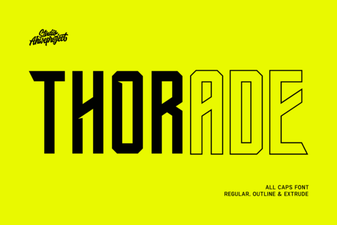 Thorade Font: Modern Design & Creative Projects
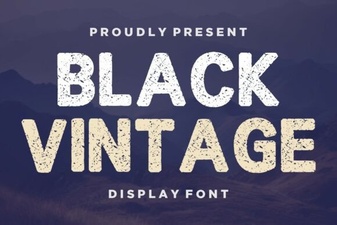 Retro Black Fonts for Classic Design Projects
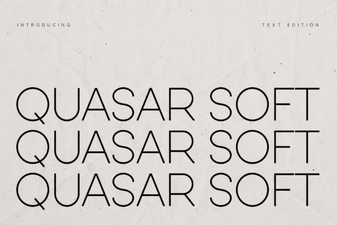 Design Your Project with Quasar Soft Font
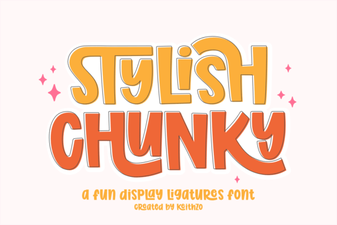 Bold & Stylish Chunky Fonts for Creative Projects
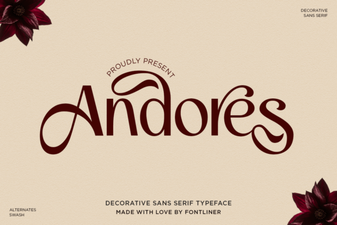 The Andores Font: Design Ideas & Creative Uses
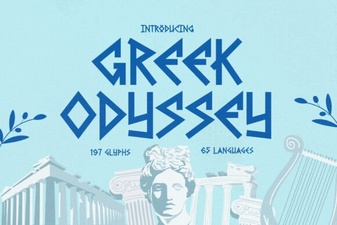 Greek Odyssey Font for Digital Design Projects