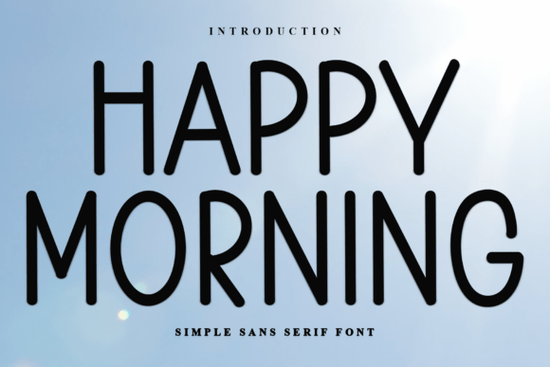
If you need a display typeface that balances modern structure with a relaxed, human touch, Happy Morning Font offers a straightforward solution. This simple sans serif design relies on tall letterforms and a consistent monoline weight, which keeps visual noise low while maintaining strong presence on screen and print. Slightly irregular character spacing and softened stroke endings prevent the layout from feeling rigid, giving your projects a warm but authoritative feel right from the start. Designers and small business owners often choose it when they want clean readability without sacrificing personality.
What makes this typeface work for clean branding?
The vertical axis stays steady throughout every glyph, which helps maintain readability at various sizes. When you work with display fonts for packaging or digital banners, that stability keeps your text blocks aligned without requiring heavy manual kerning. The soft terminals add just enough contrast to catch the eye, while the overall silhouette stays crisp. You will notice how the letters sit comfortably next to each other, creating a steady rhythm that works well for lifestyle branding, minimalist storefronts, and editorial layouts. If you want to explore similar clean silhouettes, you can review this geometric collection or check out alternative structural layouts for different spacing approaches.
How can I apply it to physical products and online content?
Print-on-demand sellers and crafters benefit from typefaces that scale cleanly. Use this style for product labels where short headlines need to stand out without overwhelming product photography. The uniform thickness prints well on matte stickers, kraft tags, and fabric patches, avoiding the bleeding issues that often occur with overly thin strokes. For digital use, it performs reliably as a header on websites, YouTube thumbnails, and Instagram carousels. The warm visual flow keeps viewers engaged longer than stark, purely geometric alternatives. When pairing it with supporting text, consider lighter options or a readable serif to maintain hierarchy. You can also test it alongside these lighter pairings for subheadings, or try gentle body alternatives when you need softer paragraph text. For specific glyph comparisons, reviewing Andores or Clouds will help you decide which terminal style fits your audience best.
What should I adjust before publishing my layout?
Because the letterforms are naturally tall, you may want to tighten the line height slightly when using full paragraphs. For titles and short phrases, keep the tracking normal or reduce it by a small percentage to let the irregular alignment add character. Always export your files in vector format or high-resolution PNGs to preserve the soft terminals and consistent stroke weight. Test your designs on both light and dark backgrounds to verify that the monoline weight does not appear washed out on certain screens. If you work with fabric printing, run a small test patch to ensure the edges remain sharp after heat pressing. You can visit the official project page to check updated character sets and technical specifications before starting your file.
When is this font the right choice for a project?
You will get the best results when your layout needs clear hierarchy without heavy decoration. It works well for motivational quotes, wellness brands, coffee shop menus, and stationery that relies on negative space. Avoid using it for dense legal text or financial reports where traditional body faces read faster. The slightly uneven baseline gives it personality, so lean into that character rather than forcing perfect mathematical alignment. When you keep the surrounding elements minimal, the typography carries the message clearly.
Before finalizing your next template, run through this quick checklist to make sure the layout is ready for production:
- Check contrast ratios between text and background for web accessibility standards.
- Set heading sizes at least 1.8 times larger than your body copy to maintain clear visual hierarchy.
- Export print files at 300 DPI with embedded outlines to prevent font substitution errors.
- View your design on three different screen sizes before scheduling social media posts.
- Keep line spacing tight enough to maintain the tall silhouette but loose enough to prevent overlapping curves.
Once these steps are complete, save your master files with clear version names so future campaigns stay organized. Small adjustments in tracking and background contrast will give your designs the polished look you need for consistent brand delivery.
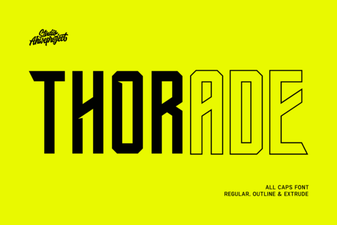 Thorade Font: Modern Design & Creative Projects
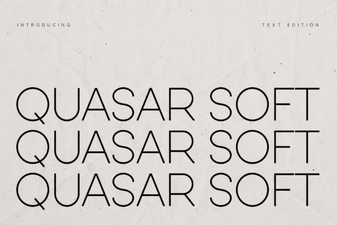 Design Your Project with Quasar Soft Font
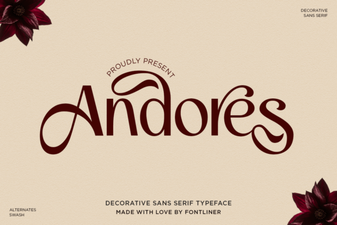 The Andores Font: Design Ideas & Creative Uses
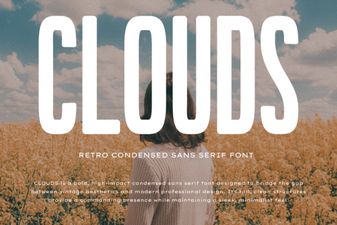 Clouds Font for Creative Design Projects
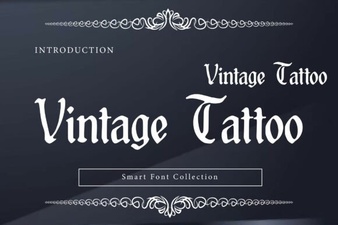 Creative Uses for Vintage Tattoo Fonts
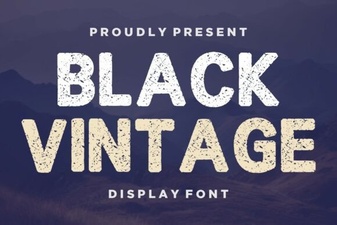 Retro Black Fonts for Classic Design Projects